
Family-friendly festivals across the USA
“Family-friendly” can mean anything from a dedicated children’s hour to an all-day program for multiple generations. Check the actual schedule and venue details instead of relying on the label alone.
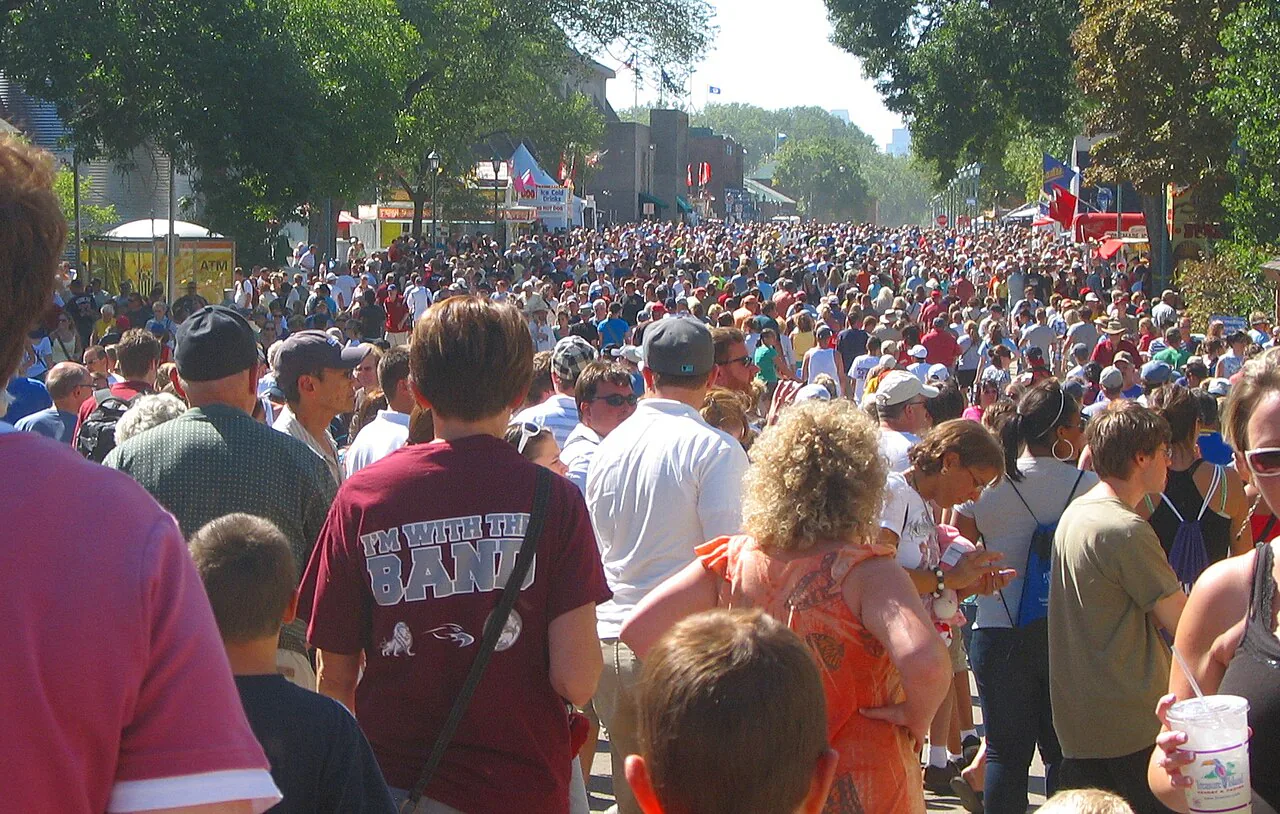
What makes a festival family-friendly?
A useful family festival gives adults enough information to judge age fit, cost, movement, food, rest, and safety before arrival. Kids’ activities matter, but so do a manageable schedule, clear admission rules, accessible restrooms, realistic walking distances, shade or warming options, and a way to step away from noise or crowds.
This guide does not rank events or promise that one festival works for every child. It highlights U.S. festivals whose organizers publish children’s programming, all-ages attractions, or multigenerational activities. The comparison notes also surface the tradeoffs: early mornings, loud performances, rough terrain, large crowds, separate ride costs, and weather exposure.
Family-friendly festival examples for 2026
These are planning examples, not awards. Dates and family details were checked with organizers or official hosts on August 14, 2026. Open the official link before buying tickets, reserving lodging, or starting a long drive.
| 2026 timing | Festival and location | Why families may consider it | What to verify |
|---|---|---|---|
| Winter; 2027 schedule developing | Saint Paul Winter Carnival Saint Paul, Minnesota |
Winter traditions, parades, snow and ice displays, and a mix of indoor and outdoor activities. | Daily weather, warm-up options, event-specific tickets, and which activities are marked for families. |
| March 20–April 12, 2026 | National Cherry Blossom Festival Washington, D.C. |
Spring scenery, kites, performances, cultural programs, and a major parade spread across the city. | Bloom conditions, the location of each activity, transit changes, crowds, and whether an event needs tickets. |
| May 1–10, 2026 | Tulip Time Holland, Michigan |
Tulips, Dutch heritage, dancing, community traditions, and the children-led Kinderparade. | Bloom reports, parade routes, parking, walking distance, and which experiences charge admission. |
| May 22–25, 2026 | Northwest Folklife Festival Seattle, Washington |
Free performances, dance, music, arts, and cultural traditions at Seattle Center. | Stage locations, the family schedule, transit, crowd plans, and the festival’s donation model. |
| June 26–27, 2026 | Blackfoot Ranch Rodeo & Indian Relay Races Blackfoot, Idaho |
Ranch skills, Indian Relay Races, mutton busting, music, vendors, and a compact evening program. | General-admission seating, weather, cash or Venmo at the gate, and whether younger children are comfortable with arena noise. |
| July 4–11, 2026 | National Cherry Festival Traverse City, Michigan |
A free Kids Club, crafts, oversized games, parades, cherries, concerts, and waterfront activity. | Air-show noise, waterfront sun, parking, ticketed add-ons, and the daily Kids Club schedule. |
| August 27–September 7, 2026 | Minnesota State Fair Falcon Heights, Minnesota |
Agriculture, newborn animals, books and crafts, family performances, a Kidway, food, and daily parades. | Ride costs, ID wristbands, stroller or wagon rules, baby-care locations, re-entry, and fairground walking distance. |
| August 29, 2026 | All My Relatives Festival Sioux Falls, South Dakota |
A free, multigenerational celebration of Indigenous performance, design, community, and interactive activities. | The final performance schedule, weather plan, seating, food vendors, and accessibility information. |
| October 3–11, 2026 | Albuquerque International Balloon Fiesta Albuquerque, New Mexico |
Mass ascensions, special-shape balloons, evening glows, aviation, and a memorable all-ages spectacle. | Very early start times, session tickets, Park & Ride service, cold mornings, walking, and weather-dependent flying. |
| October 3–4 and 10–11, 2026 | National Apple Harvest Festival Biglerville, Pennsylvania |
Apple and agricultural traditions, crafts, orchard tours, old-fashioned games, shows, animals, and rides. | Grass and gravel surfaces, rain-or-shine policies, shuttle loading, pet restrictions, and which activities cost extra. |
| October 21–24, 2026 | Circleville Pumpkin Show Circleville, Ohio |
Giant pumpkins, baked goods, crafts, parades, entertainment, contests, and carnival rides downtown. | Very large crowds, road closures, ride tickets, a meeting point, and the best time for younger children. |
| November 13–15, 2026 | National Folk Festival Jackson, Mississippi |
Free music and dance, traditional arts, parades, regional food, a family stage, and hands-on activities. | The family-area schedule, downtown parking and transit, weather, seating, and accessibility services. |
The Saint Paul Winter Carnival’s 2026 program has concluded, and its 2027 calendar is developing. It remains here as a winter-planning example; use the organizer’s current event calendar for future dates.
Choose a festival by age and energy level
An event can be appropriate for children while still being a poor match for a particular nap schedule, noise tolerance, walking range, or interest.
Babies, toddlers, and preschoolers
Short morning visits often work better than an open-to-close plan. Look for stroller or wagon access, changing space, family restrooms, shade, quiet seating, simple hands-on play, and an exit that does not require a long shuttle line. Tulip Time, a fair animal area, or a calm craft session may fit better than a packed evening concert.
Check first: stroller policy, bag size, outside milk or food, re-entry, nap timing, and the distance from parking to the first activity.
Elementary-age children
Kids in this range may enjoy parades, crafts, farm animals, scavenger hunts, games, demonstrations, and performances with a clear beginning and end. National Cherry Festival’s Kids Club, Minnesota State Fair’s hands-on learning areas, and the National Folk Festival’s family programming offer several ways to switch activities.
Check first: activity hours, height or age limits, whether supplies run out, and which attractions require separate tickets.
Tweens and teenagers
Older kids may respond more to live music, food, photography, competitions, cultural demonstrations, rides, or a role in choosing the itinerary. Balloon Fiesta, Northwest Folklife, Blackfoot Ranch Rodeo, and large harvest festivals can provide a stronger sense of occasion than a children-only zone.
Check first: phone service, charging, independent movement rules, evening transportation, amplified sound, and a precise meeting place.
Multigenerational groups
Families traveling with grandparents or relatives should compare terrain, seating, accessible parking, transit, restrooms, and the pace of the program. Free city festivals can offer flexibility, but they may also involve longer walks and fewer reserved seats. A compact event with a clear schedule can be the better choice.
Check first: mobility routes, drop-off zones, chair policy, medication storage, indoor breaks, and how the group will reconnect if separated.
Family festival ideas by season
Season affects more than clothing. It changes daylight, terrain, school schedules, transportation, crowd patterns, and how long children can comfortably stay.
Winter and spring: shorter outings, parades, flowers, and cultural traditions
Saint Paul Winter Carnival
Saint Paul’s long-running winter celebration mixes outdoor displays and parades with indoor programs and activities categorized for families. Build the day around one outdoor highlight and a dependable warm-up stop rather than assuming everyone can stay outside for hours.
National Cherry Blossom Festival
Washington’s citywide spring festival rewards schedule-based planning. A family may prefer a kite event, cultural performance, parade, or neighborhood program instead of trying to combine every major attraction with a crowded Tidal Basin visit. Bloom timing is weather-dependent and does not control the event calendar.
Tulip Time
Holland’s festival combines flowers with Dutch heritage and community participation. The Kinderparade provides a child-centered tradition, while tulip displays offer a flexible visual activity. Families should check the bloom report and map because the festival spans several locations.
Summer: music, culture, agriculture, and long days
Northwest Folklife Festival
This free Seattle Center gathering presents many music, dance, arts, and cultural traditions at once. That variety works well when family members have different interests, but a saved schedule and meeting point are important when stages and crowds spread across the grounds.
National Cherry Festival
Traverse City’s 2026 program included a free Kids Club with crafts and large-format games, plus parades and broader waterfront events. Families sensitive to noise should distinguish calm daytime activities from air-show, fireworks, or concert periods.
Minnesota State Fair
The fair publishes a detailed kids guide covering age discounts, ID wristbands, baby care, strollers and wagons, books, crafts, agriculture, family performances, rides, and parades. Its scale is the main tradeoff: choose one section of the fairgrounds and a few priorities before arrival.
All My Relatives Festival
This free Sioux Falls gathering is explicitly multigenerational and centers Indigenous performance, design, community, and interactive activities. It is a strong example of a family festival that offers cultural participation and learning rather than relying mainly on rides.
Fall: balloons, apples, pumpkins, folk arts, and changing weather
Albuquerque International Balloon Fiesta
More than 500 balloons are expected for the 2026 event, and children 12 and younger receive free general admission. The family challenge is logistics: morning sessions begin early, autumn mornings can be cold, the grounds are large, and balloon activity depends on safe weather.
National Apple Harvest Festival
Children 12 and younger are admitted free with an adult. The official attraction list includes a kids’ craft area, old-fashioned games, orchard tours, shows, animals, and rides. Grass, stone, and gravel surfaces make footwear and mobility planning especially important.
Circleville Pumpkin Show
This free downtown celebration fills the streets with pumpkins, crafts, baked goods, parades, contests, entertainment, and roughly 25 to 30 amusement rides. Its popularity makes crowd and road-closure planning as important as the activity list.
National Folk Festival
The free Jackson festival features hundreds of traditional artists, several music and dance stages, parades, regional food, a family stage, and a family activities area. Use the final schedule to alternate active participation with seated performances and meals.
Create a simple family festival plan
- Choose one or two must-do activities instead of overpacking the day.
- Set a visible meeting point and teach children how to identify staff.
- Bring hearing protection when amplified sound is expected.
- Check weather and venue rules before packing supplies.
- Leave room to depart early without treating the day as a failure.
- Take a current photo of children when you arrive and use an official ID wristband if offered.
- Give each adult a clear responsibility during entrances, bathroom stops, and crowd transitions.
Match arrival time to the main reason you are going
Arrive near opening for cooler weather, shorter lines, animals, craft supplies, or a young child’s best energy. Arrive later only when the evening program is the priority and your transportation plan covers the return trip. At very large festivals, one successful area is often better than a rushed circuit of the entire site.
Prepare for noise and sensory load
Parades, carnival rides, fireworks, aircraft, amplified stages, and arena events can be much louder in person than online. Check the schedule, bring properly fitted hearing protection, identify a quiet edge or calm zone, and agree that anyone can ask for a break without debate.
Tickets, food, strollers, and accessibility
The admission price is only one part of deciding whether an event works for a family.
Calculate the full family cost
Add admission, service fees, parking or transit, rides, games, food, reserved seating, and lodging. Free admission does not always mean a low-cost day, while a ticketed event may include parking, shuttle service, performances, or activities. Set the children’s ride or food budget before entering.
Plan around food and allergies
Compare meal lines, outside-food policies, allergy needs, and the most important activities before setting your arrival time. For serious allergies or medically necessary food, contact the organizer before the event and ask vendors about ingredients and cross-contact rather than relying on a general dietary label.
Check movement and rest
Check stroller rules, terrain, seating, shade, accessible routes, rest areas, and how far parking is from the entrance. A stroller-friendly paved fairground and a rain-soaked grass field can create very different days, even when both events advertise children’s activities.
Use the accessibility contact
Look for accessible parking, drop-off areas, routes, viewing spaces, restrooms, service-animal policies, captioning or interpretation, and sensory resources. If the official page is unclear, contact the event directly. The phrase “family-friendly” does not by itself confirm physical or sensory accessibility.
Festival experiences families can compare
Start with the activity your group actually enjoys, then check the schedule for a festival that offers it at a workable time.
Parades and processions
Good for a defined viewing period and a strong sense of place. Verify curb access, road closures, sun exposure, restroom distance, and how early spectators claim space.
Hands-on arts and crafts
Workshops, demonstrations, games, and maker areas can turn children into participants. Check age limits, registration, supply cutoffs, adult supervision rules, and whether the activity is included.
Animals and agriculture
Fairs, rodeos, apple festivals, and harvest events can connect food with farms, livestock, skills, and local history. Review handwashing, animal-contact guidance, arena noise, and footwear.
Music and performances
Family stages, folk dance, bands, storytelling, and cultural demonstrations work best when the schedule explains duration and location. Save backup choices in case a stage becomes crowded.
Rides and games
Carnival rides add excitement but can change the budget and pace of the day. Check height requirements, wristband sessions, ticket bundles, closing times, and whether lines provide shade.
Food and cultural traditions
A tasting, cooking demonstration, heritage meal, or community recipe can help children learn about place and culture. Pair unfamiliar foods with a reliable meal option and allow time for lines.
How Festival Finder USA researched this family guide
We selected examples from different regions, seasons, and festival formats. An event needed an official organizer or host page with current information and a clear reason families might consider it: published children’s activities, an all-ages attraction, family services, a family stage or area, or an explicitly multigenerational program.
We then reviewed the practical details that can change family fit, including dates, admission, age pricing, terrain, transportation, weather exposure, activity hours, and crowd scale. Inclusion is editorial and is not a paid placement, safety certification, award, or guarantee that the event suits every child.
Why official links matter
Festival schedules, ticket inventory, parking, vendors, accessibility services, and weather plans can change after publication. The current organizer page is the final source. We link directly so families can verify details and make decisions from the latest available information.
Find the right festival for your family
Browse by destination, season, or activity, then confirm the final details with the organizer.
Festivals by state
Start with your destination and use the 50-state directory to plan a day trip or family weekend.
Festival planning guide
Compare tickets, transportation, weather, accessibility, schedules, and the real trip cost.
Music festivals
Look for all-ages programming, daytime sets, family areas, camping rules, and hearing considerations.
Food and drink festivals
Compare included tastings, pay-as-you-go food, children’s prices, alcohol areas, and allergy questions.